When we hear the words “children’s mental health,” we tend to think about what happens when something has already gone wrong, like when a child is overwhelmed with anxiety or when a teenager is depressed or when a student is having behavioral problems or struggling socially.
Those situations deserve attention and, when appropriate, professional help.
But mental health isn’t only something we should think about when a child is struggling; it’s something we can help nurture while they’re doing well!
The old expression that an ounce of prevention is worth a pound of cure seems especially appropriate here.
And one remarkably simple way to support a child’s mental well-being may be something children have been doing for thousands of years: spending lots of time outside.
How Does Nature Impact Kids’ Mental Health?
There’s a growing body of research examining the relationship between children’s contact with nature and their mental health.
A large systematic review published in Pediatrics, the journal of the American Academy of Pediatrics, examined 296 studies involving nature exposure and children’s health.
Researchers found some of the strongest evidence of benefits in two areas: physical activity and cognitive, behavioral and mental health. The authors concluded that the scientific literature supports a positive relationship between contact with nature and children’s health, particularly physical activity and mental health.
More recently, researchers from the University of Oxford and other institutions conducted a 2024 meta-review specifically examining nature and the mental health and well-being of children and adolescents.
They reviewed 16 systematic reviews, two scoping reviews and five high-quality cohort studies. Overall, the research pointed toward a beneficial relationship between nature and mental well-being in young people.
Your Child Doesn’t Need a Diagnosis to Benefit
Nature isn’t only for children who have already been diagnosed with anxiety, depression or another mental-health condition.
In fact, much of the research has examined children from the general population, not just those receiving mental-health treatment.
One NIH-supported study provides a particularly interesting example.
Researchers followed young children between ages 2 and 5 and found that those living in areas with more green space tended to have fewer symptoms of anxiety and depression. The researchers weren’t treating children who had already developed mental illness. They were studying whether the environments children grow up around might influence mental-health risk in the first place.
That’s an important way for parents to think about outdoor time. And why not think about it this way? After all, we encourage children to eat nutritious food before they have a nutritional deficiency. And we encourage exercise before they develop cardiovascular disease and brush their teeth before they have cavities.
So why shouldn’t we also build healthy habits and environments that support their mental well-being before there’s a problem?
What Are The Benefits Of Nature For Kids?
Nature changes several things about a child’s body and brain at once.
Physiologically, outdoor activity helps regulate the body’s stress-response systems. Children tend to move more outside, and physical activity itself affects brain chemistry associated with mood and stress regulation, including serotonin, dopamine and endorphins. But nature may add another layer beyond exercise alone.
Studies of nature exposure have found reductions in cortisol, one of the body’s primary stress hormones, along with changes suggesting less activation of the sympathetic nervous system (the body’s “fight or flight” system), and greater activity of the parasympathetic nervous system, which helps the body settle back into a calmer “rest and recover” state.
Researchers have also observed changes in heart rate and heart-rate variability consistent with this physiological relaxation response.
Sunlight contributes in other ways. Exposure to bright natural light helps regulate the body’s circadian clock, which influences sleep and wakefulness. Better-regulated sleep, in turn, is closely tied to mood, attention and emotional regulation.
Psychological Benefits of Nature For Kids
Psychologically, nature gives the brain a different kind of workload.
Much of a child’s day requires what’s called directed attention: concentrating on instructions, schoolwork, schedules, conversations and screens while deliberately ignoring distractions. That mental control can become fatigued.
In comparison, natural environments tend to capture attention more gently. A bird moving through a tree, waves breaking on a beach, insects crawling through the dirt or leaves moving in the wind can hold a child’s interest without demanding the same sustained mental effort. This idea is known as Attention Restoration Theory: time in nature may allow the brain’s directed-attention systems an opportunity to recover.
There’s also Stress Reduction Theory, which proposes that natural environments can reduce psychological and physiological arousal. Instead of continually processing alerts, traffic, screens, instructions and other demands, the brain encounters patterns and stimuli that generally require less vigilance.
And then there’s what children actually do in nature.
They move, explore, take manageable risks, solve problems, invent games, experience small frustrations, cooperate with other kids and make decisions without an adult directing every step.
Those experiences can help develop self-efficacy, which is the belief that “I can figure this out.” Other positive attributes include resilience, emotional regulation, independence and social confidence.
So the mental-health benefit of outdoor time probably isn’t the result of one magic chemical being released in the brain (like phytoncides); it’s more like several systems working together.
The body becomes more active while the stress response can become quieter. Attention gets a chance to recover while children gain opportunities for competence, independence and social connection.
That’s a powerful combination for a developing mind! No wonder many child psychologists recommend nature-based play as the best outdoor activity for kids.
Support Their Mental Well-Being Before They Need Help
No parent can guarantee that a child will never experience anxiety, depression, loneliness or another mental-health challenge.
And outdoor time isn’t a replacement for professional mental-health care when a child needs it.
But those facts shouldn’t stop parents from asking what can we build into childhood now that may support healthier, happier and more resilient kids later?
Nature belongs high on that list!
Children don’t have to be struggling before we give them more opportunities to move, explore, connect, experiment, play and experience the natural world.
Let Your Child Thrive Outdoors
At Nature Scouts Collective, outdoor learning is about much more than getting kids out of the classroom.
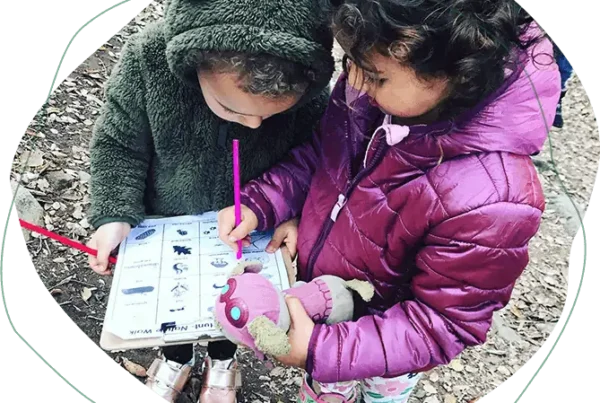
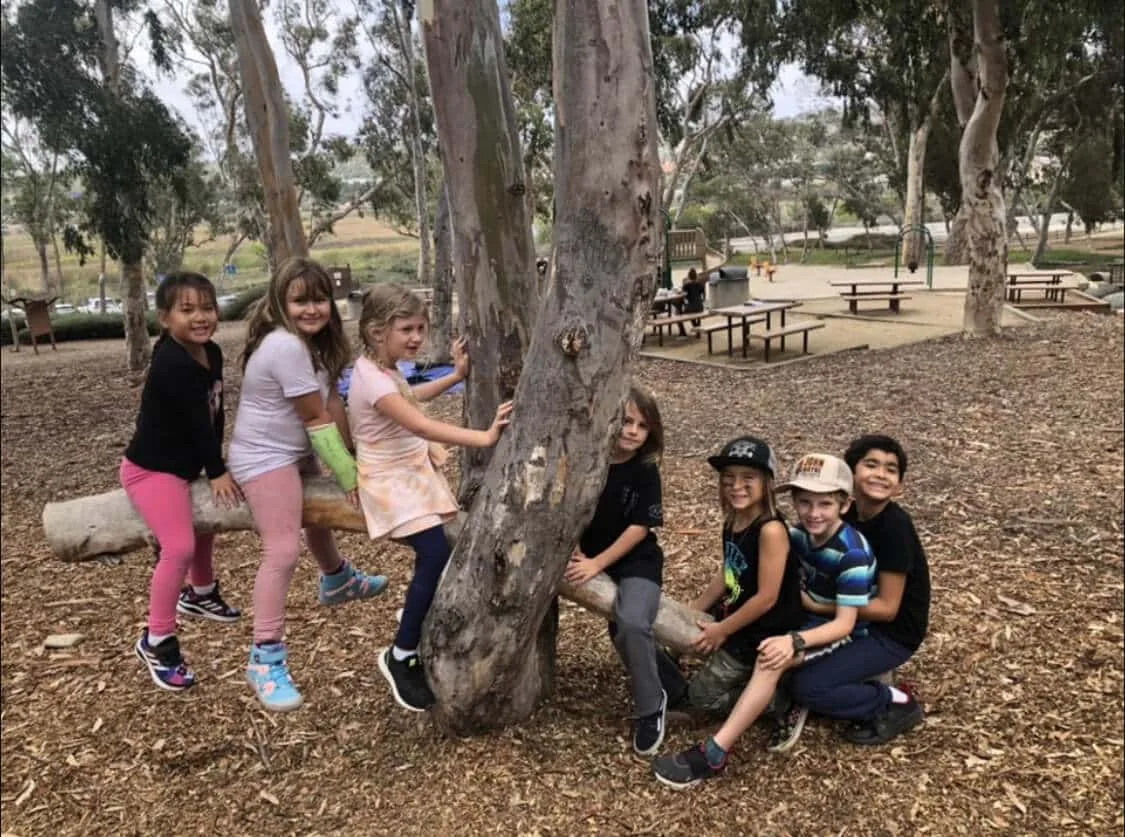
Children have regular opportunities to move their bodies, explore at their own pace, solve problems, take manageable risks, build friendships and become absorbed in the natural world around them.
Those experiences support many of the same processes associated with nature’s mental-health benefits: physical activity, stress regulation, attention restoration, social connection, independence and self-confidence.
And while children are supporting their mental well-being, they’re learning, too, through hands-on experiences with biology, ecology, geology, botany, zoology and the world right in front of them.
Give your child more opportunities to learn, explore and grow in nature with Nature Scouts Collective.