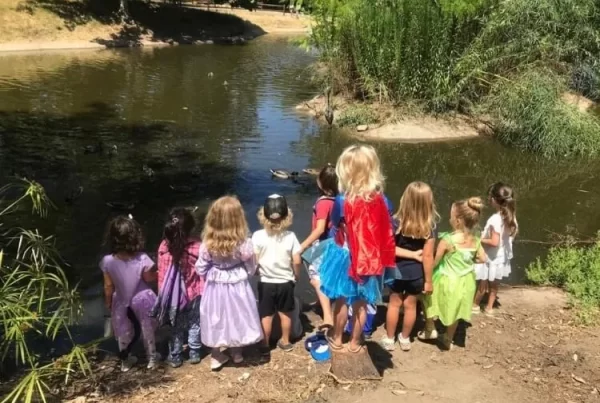
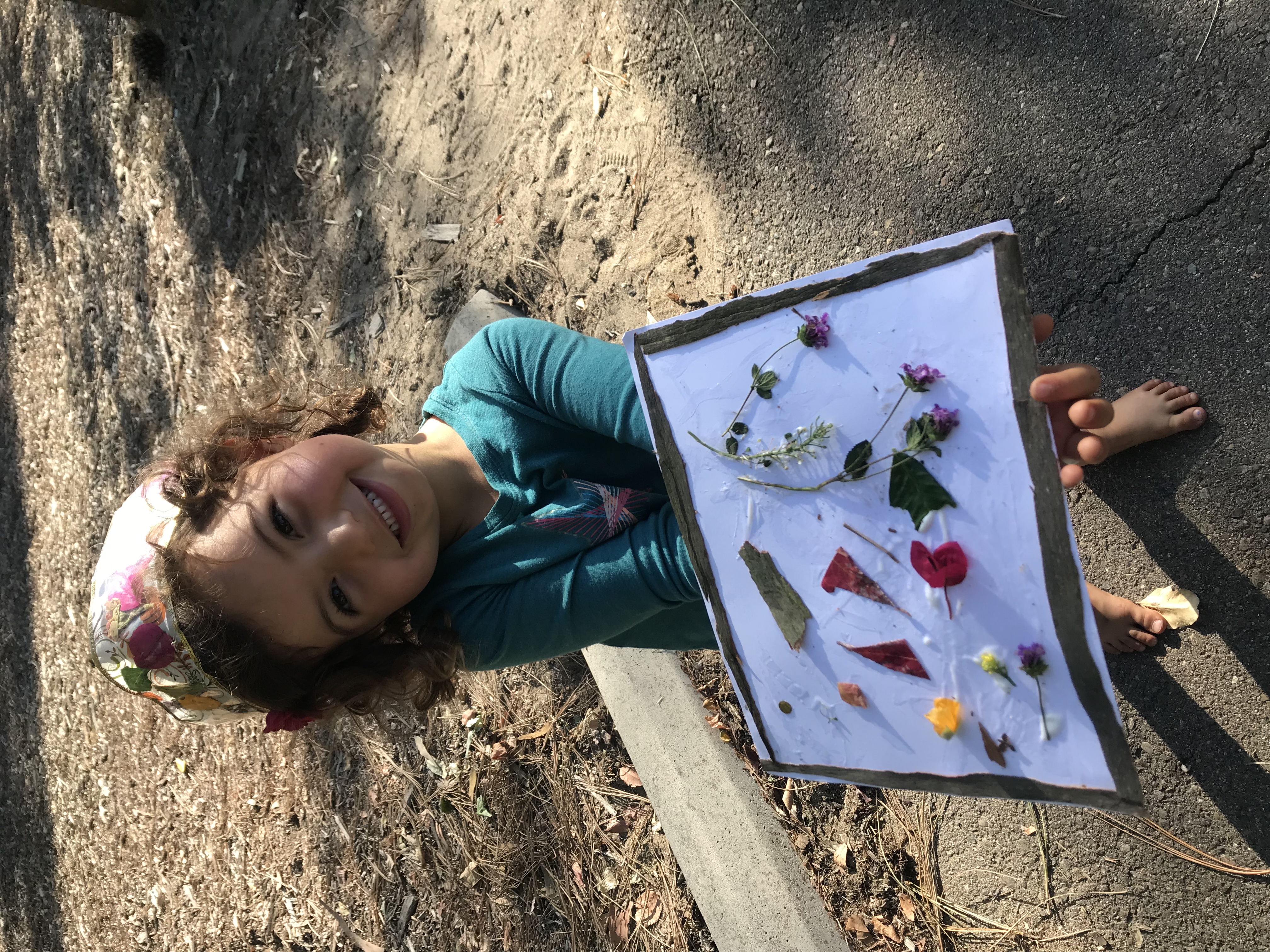
The outdoors is often framed as the primary outlet for boys; a place to expend physical energy, explore fearlessly, and express uninhibited imagination. Girls, by contrast, are too often socialized to pursue calm indoor activities that place emphasis on compliance, attentiveness, and social harmony. Yet contemporary developmental research increasingly shows that girls have a critical need for consistent nature connection, both for their emotional well-being and for the neurological and social transitions that define childhood and adolescence.
The Hidden Need: Why Girls Depend on Nature for Well-Being
A study published in the International Journal of Environmental Research and Public Health (2021) examined adolescent girls living in Finnish Lapland and identified that a primary motivation for girls to seek out nature is the desire to experience positive sensations. These sensations included pleasant emotions, an increased sense of autonomy, and the ability to recover psychologically from academic and social stressors. Participants described nature as a place where they could let go of pressure, feel accepted regardless of appearance or performance, and engage freely in spontaneous physical movement. Importantly, these motivations were internal rather than driven by external reward. The authors concluded that nature affords girls vital opportunity to decompress, strengthen attentional capacity, and reconnect with their own developing identities at a time when stress-related disorders are rising globally in female adolescents.
How Nature Supports Emotional and Cognitive Development
This corresponds strongly with the theoretical foundations of both stress recovery theory and attention restoration theory. Green environments support parasympathetic nervous system activation, helping the body shift out of stress response. These environments also allow cognitive restoration from the constant demands of focused attention required in academic settings. When these theories are applied to education, they support a nature-based curriculum approach in which direct, frequent interaction with outdoor environments is not supplemental enrichment, but a core developmental necessity.
Nature-Based Education Models That Empower Girls
Forest School principles and the Reggio Emilia approach both recognize that children construct knowledge through multisensory exploration, physical risk assessment, and collaborative problem-solving. In these educational models, nature is not a backdrop but an active teacher. For girls, this shifts their role from observer to agent of discovery. Activities such as balancing on uneven logs, identifying seasonal plant changes, or building shelters influence motor development, spatial reasoning, and self-efficacy. When girls challenge themselves physically in natural environments, they negotiate risk, develop resilience when difficulties arise, and build confidence based on capability rather than appearance or social approval.
Social Belonging and Identity Formation Outdoors
Research across environmental psychology, occupational therapy, and pediatric public health supports the idea that girls today face unique pressures. Academic performance expectations, early exposure to social comparison through digital media, and heightened self-consciousness during puberty can lead to anxiety, decreased physical activity, and withdrawal from exploratory play. The Finnish Lapland research reinforces that girls gain relief from these pressures through immersion in varied landscapes, changing light and weather, and the open-ended movement opportunities that natural terrain provides. Even unpredictable elements such as wind, mud, or uneven ground have been shown to improve sensory integration and adaptability, skills linked to reduced anxiety and stronger executive functioning.
Nature also promotes social belonging in a way that differs from indoor environments. Without structured seating patterns, performance evaluations, or exclusionary social cues, girls can form peer relationships based on cooperation, shared discovery, and authentic communication. The same study referenced above found that social interaction in nature included not only human peers but also empathetic relationships with animals and the broader ecosystem, contributing to a sense of connectedness and emotional regulation.
Summary of Key Outcomes
A brief summary of key outcomes supported by the literature includes:
• Reduced stress markers and increased recovery from attentional fatigue
• Heightened intrinsic motivation to engage in physical activity
• Increased confidence and self-acceptance without external judgment
• Improved mood, curiosity, creativity, and sense of belonging
A Developmental Imperative, Not a Luxury
Taken together, these findings build a compelling case that girls require substantial, repeated time in nature to support healthy psychological development. This connection is most impactful when facilitated through an intentional pedagogy that respects autonomy and choice. Nature-based education models do not confine exploration; rather, they create a safe container in which girls may test boundaries, persist through frustration, and recognize themselves as competent and courageous.
As educators, parents, and caregivers consider how to cultivate girls’ long-term well-being, the solution must extend beyond additional structured activities or academic support. Girls do not simply need to be taught coping strategies; they need access to environments that naturally regulate stress and cultivate joy. Nature provides exactly this. When girls have regular outdoor immersion that honors their internal motivations, they gain the emotional strength, curiosity, and resilience necessary to navigate adolescence and beyond.
How Nature Scouts Collective Puts Research into Practice
Nature Scouts Collective exists on this foundation. By integrating elements of Forest School methodology and Reggio-inspired child-led exploration, our programs empower girls to discover their strengths in an environment where beauty, challenge, and possibility coexist. Here, girls climb, splash, build, solve, rest, imagine, and recover. They learn to trust themselves. They learn that they belong in the wild as much as anywhere else.
Enrollment is open for upcoming seasonal sessions, offering girls several hours per week of meaningful outdoor connection designed to nurture health, confidence, and a lifelong relationship with the natural world. Interested families can learn more and register through our website. Don’t hesitate to reach out with any questions!