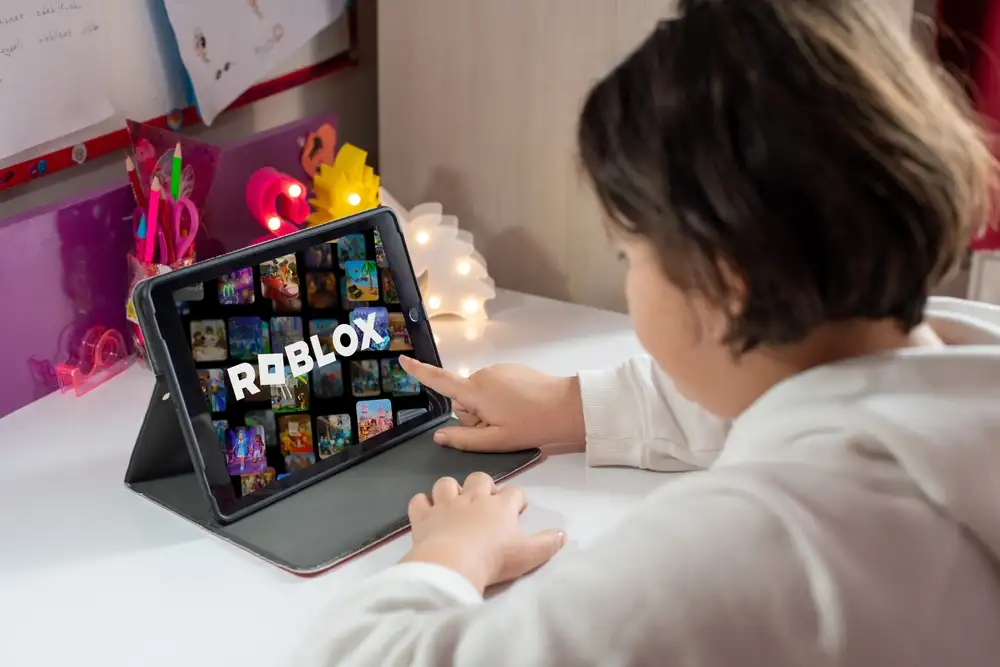
Walk into almost any home with kids and you’ll hear the same soundtrack: clicking controllers, rapid digital footsteps, and the echo of “I just need ONE more minute!” Roblox, Fortnite, and Minecraft have become the modern playground, but not the kind that builds healthy bodies and balanced minds.
Parents already sense something is changing in their kids. More irritability. More screen battles. More trouble focusing. Less interest in activities that require patience or sustained attention.
These are the behavioral and neurological consequences of the digital age.
The Problem: Games That Split Kids’ Attention Into a Thousand Pieces
Games like Roblox, Fortnite, and Minecraft deliver constant micro-dopamine hits; new stimuli every few seconds. Notifications. Upgrades. Rewards. Fast-paced visuals. Chat messages. Sudden battles. Endless switching.
This “novelty firehose” trains the brain to seek stimulation every 3 to 6 seconds. Real life simply can’t compete. School assignments, chores, reading, and even basic conversations become “boring.”
Combine that with irregular sleep patterns, reduced outdoor movement, and fewer face-to-face social interactions, and the result is predictable:
• Shorter attention spans
• Emotional volatility
• Increased frustration tolerance issues
• Reduced creativity outside the screen
• Difficulty transitioning away from games
• More aggressive play patterns
Parents often describe the shift as “my child is just different after gaming.”
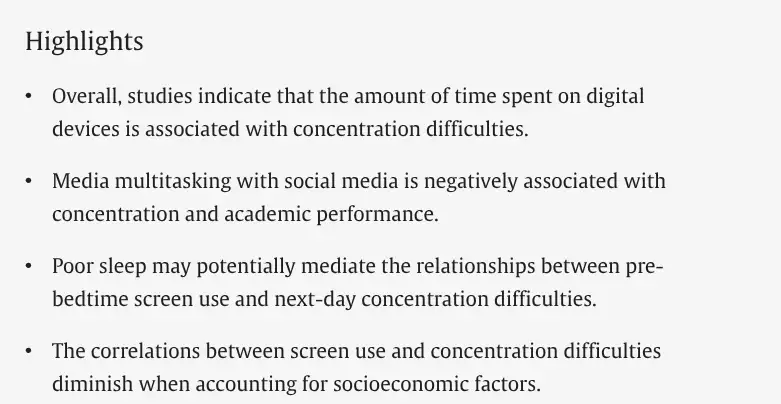
Screenshot of highlights of a study titled, “Associations between screen use, learning and concentration among children and young people in western countries,” published in the Oct. 2025 edition of Children and Youth Services Review.
The Hidden Exposure: Explicit Language and Aggressive Behavior
While these platforms market themselves as “kid-friendly,” many interactions are anything but. Even with parental controls turned on, kids are regularly exposed to:
• Sexual language
• Violent themes
• Bullying
• Peer pressure
• Social exclusion
• Adult strangers posing as kids
These behaviors normalize aggression and desensitize children to language and scenarios they’re not developmentally ready for.
And it isn’t just psychologists and parents raising concerns. Law enforcement and state officials are now taking notice too.
A growing number of U.S. states have filed lawsuits against Roblox, alleging that the company’s child-safety measures are insufficient, and that the platform has become a “playground for predators.” At the same time, parents and families across the country are initiating private lawsuits claiming children were exposed to sexual exploitation, abusive chat interactions or unsafe content while using the platform. These legal actions reinforce what many parents have suspected: the risks associated with digital play extend beyond excessive screen time; they strike at children’s safety and well-being.
Kids Are Gardening Online Instead of Touching Real Soil
In Roblox, Fortnite Creative Mode, and Minecraft, kids “garden” by clicking. They “build ecosystems” with a tap. They “craft worlds” with no sensory input, no patience, no connection to anything real.
How sad is it that kids are learning how to build a garden online instead of in real life?
Even here in San Diego, where 300+ days a year are perfect for sunshine, movement and fresh air, so many kids are inside cultivating digital gardens instead of their health and mental well-being.
We are raising a generation more fluent in digital survival than real-world resilience.
But this story doesn’t have to end here.
Nature Is Still the Most Powerful Regulator of a Child’s Brain
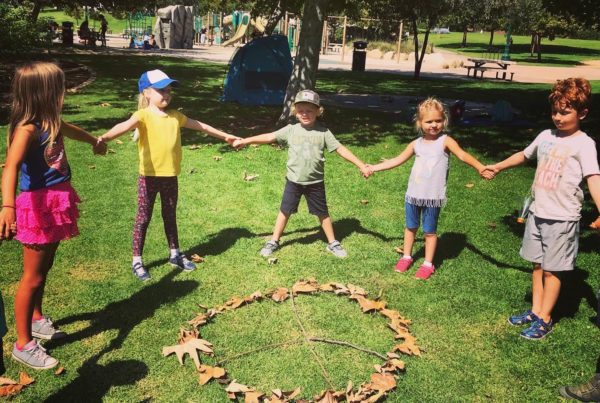
Outdoor play does what screens can’t:
• Resets the nervous system
• Improves attention span
• Reduces stress hormones
• Increases creativity and resilience
• Boosts social confidence
• Strengthens executive function
• Supports emotional regulation
• Rebuilds real-world patience and curiosity
Children simply function better when they’re grounded — literally — by soil, wind, light, and movement.
This is yet another example that nature is not a luxury. The reality is that it is a neurological requirement!
The Solution: Immersive Outdoor Classes That Blend Nature + STEM/STEAM
This is where Nature Scouts Collective comes in.
Our outdoor classes give children everything their screens can’t provide:
• Hands-on science and STEAM learning
• Nature exploration
• Real gardening, real building, real experiments
• Social-emotional growth
• Movement-rich play
• Confidence-building challenges
Kids who spend time with us don’t just learn to identify plants or build shelters. They learn to focus longer, problem-solve creatively, work with peers, manage frustration, and reconnect with their natural sense of wonder.
Nature cements the skills digital life erodes.
Give Your Child a Reset
Are you noticing any of the following with your child(ren)?
• explosive reactions when it’s time to turn off screens
• shorter attention spans
• increasing irritability
• trouble with transitions
• less interest in the outdoors
• or emotional “crashes” after gaming
If so, your child may need a nature reset more than ever.
Give your child the experience their brain and body were built for by enrolling them in Nature Scouts Collective.